
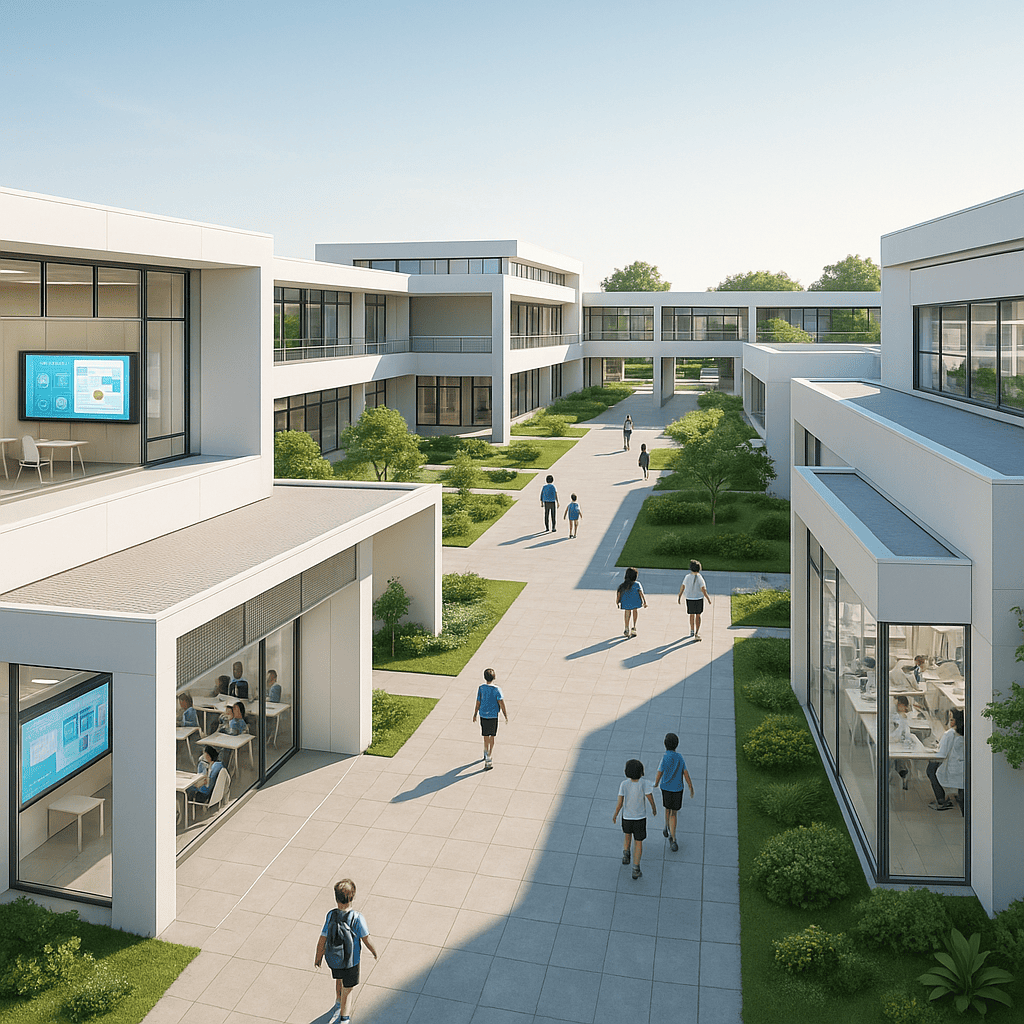
The education sector is evolving faster than ever, and institutions today need more than just classrooms and buildings. They require modern learning spaces that support digital education, science labs, smart classrooms, safety systems, and efficient management. This is where turnkey educational infrastructure becomes a complete solution for schools, colleges, training centers, and universities.
Turnkey solutions help institutions plan, design, construct, equip, and deliver fully functional educational facilities under one roof. Instead of coordinating with multiple contractors, schools can rely on one expert organisation to handle everything from concept to completion. We explore what turnkey educational infrastructure means, its benefits, essential components, and why more institutions are adopting this model to build world-class learning environments.
What Is Turnkey Educational Infrastructure?
Turnkey educational infrastructure is a complete project delivery model in which a single company handles all aspects of creating an educational facility. This includes:
- Planning and architectural design
- Civil construction and interior development
- Electrical, plumbing, and HVAC systems
- Furniture, laboratory setups, and equipment
- Smart classroom technology
- Safety and monitoring systems
- Final installation, testing, and handover
Turnkey projects save time, reduce costs, and ensure better quality control because one team manages the entire project.
Why Educational Institutions Prefer Turnkey Solutions
Modern schools and colleges need more than traditional infrastructure. They need spaces that support active learning, digital tools, research, creativity, and safety. Turnkey solutions offer many advantages:
1. Single-Point Responsibility
Instead of coordinating with architects, contractors, engineers, lab suppliers, furniture makers, and IT teams separately, institutions work with one turnkey provider. This ensures smoother communication, fewer delays, and better accountability.
2. Faster Project Completion
Because all services are managed by one company, timelines are streamlined. Workflows overlap efficiently, helping institutions launch new facilities or upgrade existing ones much faster.
3. Cost Efficiency
Turnkey partners have experience, industry connections, and bulk-buying power. This reduces procurement costs, wastage, and unnecessary spending.
4. Standardised Quality
Every component, from building materials to laboratory equipment and classroom furniture, follows specific quality standards. This creates safer, more durable, and future-ready educational spaces.
5. Customisation for Each Institution
Turnkey solutions allow complete customisation based on:
- School/college curriculum
- Number of students
- Available space
- Budget
- Safety requirements
- Technology integration needs
This ensures the final setup fits the institution’s vision perfectly.
6. Ease of Expansion and Upgrades
Turnkey partners also help institutions expand or upgrade their existing facilities smart labs, digital learning rooms, libraries, sports areas, and more, without disrupting daily operations.
Core Components of Turnkey Educational Infrastructure
A modern educational facility requires a combination of structural, digital, and functional elements. Here are the key components included in turnkey setups:
1. Master Planning & Architectural Design
Turnkey agencies begin with a detailed master plan based on:
- Land size
- Student capacity
- Safety and compliance guidelines
- Traffic & movement flow
- Classroom layout
- Laboratory and activity areas
- Ventilation and natural light planning
Architectural drawings ensure the campus is safe, efficient, and aesthetically pleasing.
2. Civil Construction & Interior Development
This includes:
- Foundation and building construction
- Structural steel work
- Walls, flooring, ceilings, and partitions
- Painting and finishing
- Washrooms and accessibility areas
Interiors are designed to be child-friendly, durable, and easy to maintain.
3. Smart Classrooms & Digital Integration
Modern learning demands technology. Turnkey setups include:
- Interactive smart boards
- Projectors and audio systems
- Digital content integration
- Wi-Fi and network cabling
- CCTV and monitoring systems
- Computer labs with advanced configurations
These tools enhance teaching and help students learn more effectively.
4. Science & Research Laboratories
Laboratories are an essential part of the educational infrastructure. Turnkey solutions provide:
- Physics, Chemistry & Biology labs
- Computer science & robotics labs
- Language and communication labs
- Research and innovation centers
- Safety equipment like fume hoods, gas lines, eyewash stations, and ventilation systems
Proper lab layouts ensure safety and smooth learning experiences.
5. Classroom Furniture & Ergonomic Design
Furniture plays a big role in comfort and focus. Turnkey providers offer:
- Student desks and chairs
- Teacher tables
- Storage racks and cabinets
- Laboratory workstations
- Library seating
- Hostel and office furniture
High-quality furniture helps reduce physical strain and keeps classrooms organized.
6. Libraries & Resource Centers
Institutional libraries are designed with:
- Bookshelves and reading tables
- Digital library systems
- Computer zones
- Quiet study pods
- Automated inventory management
This creates a knowledge-rich environment for students and faculty.
7. Sports & Outdoor Facilities
Well-designed sports areas encourage physical growth. These include:
- Playgrounds and courts, Indoor halls
- Gymnasiums
- Track and field areas
Safe materials and proper zoning ensure maximum usability.
8. Safety, Security & Compliance
Turnkey educational infrastructure prioritises safety through:
- Fire alarm systems
- Smoke detectors
- CCTV surveillance
- Access control systems
- Emergency exits and signage
- Earthquake-resistant construction
This ensures institutions comply with national safety standards.
9. Hostel, Canteen & Administrative Areas
Turnkey projects also include:
- Hostel rooms with furniture
- Dining halls and kitchens
- Principal and administrative offices
- Staff rooms and meeting areas
Every part of the campus is delivered fully functional.
The Role of Sustainable Infrastructure in Education
Modern turnkey projects focus on sustainability because eco-friendly campuses reduce long-term costs and environmental impact. Sustainable features include:
- Solar power systems
- Rainwater harvesting
- Energy-efficient LED lighting
- Green building materials
- Proper ventilation and natural lighting
- Waste management systems
These features create healthier learning environments and reduce operating expenses.
How Turnkey Solutions Shape the Future of Education
Turnkey educational infrastructure plays a vital role in creating:
- Technology-enabled learning spaces
- Safe laboratories for STEM education
- Collaborative classrooms for skill-based learning
- Research-oriented environments
- Digitally connected campuses
- Modern hostels and student welfare spaces
This integrated approach prepares institutions for future challenges and expectations.
Conclusion
As education continues to evolve, modern infrastructure becomes essential for effective learning. Turnkey educational infrastructure provides schools, colleges, and training centres with complete, customised, and ready-to-use solutions. From design and construction to digital integration, lab setups, and safety systems, turnkey providers deliver everything under one roof.
