
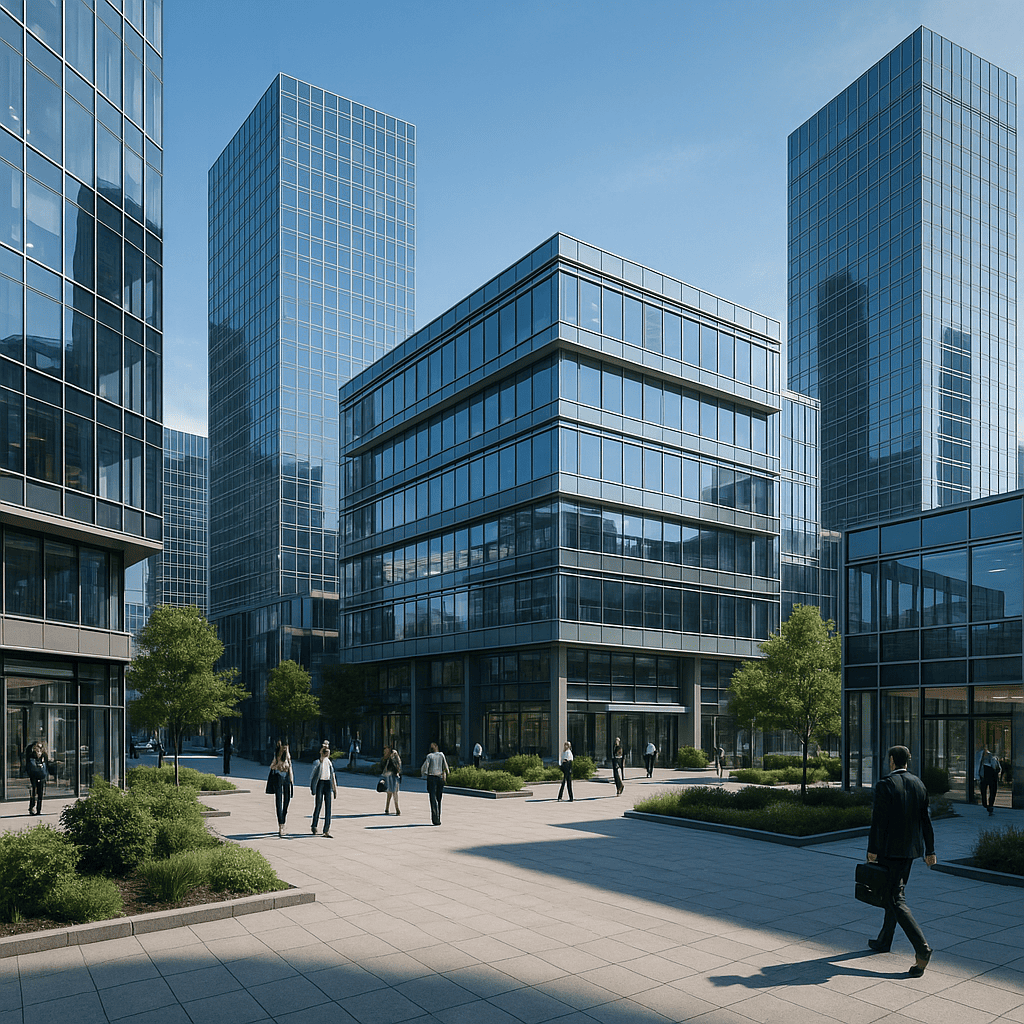
Commercial development plays a vital role in shaping modern cities, enabling businesses to thrive and communities to grow. From retail complexes and office towers to industrial parks and mixed-use developments, commercial infrastructure underpins economic activity. As consumer expectations evolve and technology reshapes industries, commercial development continues to advance, focusing on innovation, sustainability, and long-term value.
In this article, we explore what commercial development means, its importance, key stages, trends, benefits, and what businesses should consider when planning a new commercial project.
What Is Commercial Development?
Commercial development refers to the planning, design, construction, and management of properties built for business purposes. These include:
- Retail spaces (shopping malls, supermarkets, showrooms)
- Office buildings (corporate headquarters, co-working offices)
- Industrial facilities (warehouses, factories, logistics hubs)
- Hospitality projects (hotels, restaurants)
- Mixed-use developments combining commercial, residential, and recreational spaces
Commercial developers work with architects, engineers, contractors, and investors to transform raw land or outdated structures into functional spaces where businesses can operate efficiently.
Why Commercial Development Matters
Commercial development is crucial to economic growth for several reasons:
1. Creates Business Opportunities
New commercial spaces attract companies, entrepreneurs, and retailers. This leads to increased business activity and investment in the surrounding area.
2. Generates Employment
From the construction phase to long-term operations, commercial projects create jobs for architects, engineers, contractors, employees, retailers, and service providers.
3. Enhances Infrastructure
Projects often lead to better roads, improved utilities, new parking facilities, public spaces, and community amenities.
4. Strengthens Local Economies
Commercial developments increase tax revenue, encourage tourism, and support local supply chains, contributing to overall economic stability.
5. Supports Urban Modernization
Modern commercial buildings help cities maintain a competitive edge, attract international brands, and offer better services to residents.
The Stages of Commercial Development
Commercial development is a complex, multi-stage process that requires thorough planning and execution. Here are the key stages involved:
1. Market Research & Feasibility Study
Before any construction begins, developers analyze:
- Market demand
- Target customers
- Competitor projects
- Land value and zoning rules
-
Expected ROI and financial viability
A strong feasibility study ensures the project aligns with market needs.
2. Land Acquisition
Once the location is evaluated, land is acquired based on:
- Accessibility
- Proximity to customers
- Future expansion potential
-
Environmental safety
The right land plays a major role in the long-term success of a commercial project.
3. Project Planning & Design
Architects and planners create detailed designs focusing on:
- Building layout
- Space efficiency
- Safety standards
- Aesthetic appeal
- Sustainability
-
Regulations and compliance
Modern designs prioritize flexible spaces, energy efficiency, and user-friendly layouts.
4. Financial Planning & Approvals
Developers must secure funding through:
- Banks
- Investors
- Joint ventures
-
Government programs
They also apply for construction permits, environmental clearances, and local authority permissions.
5. Construction & Execution
This phase involves:
- Earthwork and foundation
- Structural construction
- Mechanical, electrical, and plumbing (MEP) systems
- Interior finishing
-
Safety installations
Effective project management ensures time and cost control.
6. Marketing & Leasing
Once the structure takes shape, the marketing team starts:
- Targeting tenants
- Advertising leasing spaces
- Offering layout customization
-
Negotiating rental terms
The goal is to ensure maximum occupancy before completion.
7. Handover & Operations
Finally, the property is handed over to business owners. Facility management teams then maintain:
- Building systems
- Security
- Hygiene
- Repairs
-
Tenant support
Smooth operations ensure long-term revenue and property value appreciation.
Popular Types of Commercial Development
Commercial development covers a wide range of industries. The most common categories include:
1. Retail Development
Shopping malls, high-street retail stores, supermarkets, and hypermarkets fall under retail development. These spaces focus on customer flow, display areas, and accessibility.
2. Office Development
Corporate offices and co-working spaces need efficient layouts, fast connectivity, ventilation, and modern amenities to support productivity.
3. Industrial Development
Industrial parks, warehouses, production units, and cold storage facilities require specialized infrastructure like large loading docks, high ceilings, and durable flooring.
4. Hospitality Development
Hotels, resorts, cafés, and restaurants are built to enhance guest experiences with stylish interiors and high service standards.
5. Mixed-Use Development
Combining residential, retail, and commercial spaces in a single project, mixed-use developments offer convenience and modern urban living.
Top Trends Shaping Commercial Development in 2025
Modern commercial development is rapidly evolving. Here are key trends shaping the industry:
1. Sustainable Construction
Developers now focus on:
- Energy-efficient buildings
- Green materials
- Solar panels
- Water recycling systems
-
Eco-friendly design
Sustainability lowers operating costs and attracts environmentally conscious tenants.
2. Smart Building Technology
Commercial spaces increasingly include:
- IoT-based monitoring
- Automated lighting and HVAC
- Touchless entry and security systems
-
Smart energy management
Smart buildings improve efficiency and user comfort.
3. Flexible Workspaces
With a hybrid work culture, businesses prefer flexible office layouts that can adapt to changing needs.
4. Mixed-Use Spaces
Combined living-working-shopping environments enhance convenience and create dynamic community hubs.
5. Enhanced Customer Experience
Retail and hospitality sectors are adding interactive digital displays, personalized services, and modern design elements to attract customers.
Benefits for Businesses Investing in Commercial Development
Businesses that invest in or occupy modern commercial spaces enjoy several advantages:
1. Improved Brand Image
A well-designed commercial property enhances a company’s reputation and customer perception.
2. Better Operational Efficiency
Optimized layouts and modern utilities minimize downtime and improve workflow.
3. Higher Footfall & Sales
For retail and hospitality businesses, well-planned locations increase customer visits and sales potential.
4. Future Scalability
Modern commercial developments allow easy expansion and customization.
5. Long-Term Asset Value
Commercial real estate continues to appreciate, offering strong returns on investment.
What to Consider When Planning Commercial Development
Before starting a project, consider:
- Location suitability
- Budget and financing
- Regulatory compliance
- Environmental impact
- Target audience needs
-
Future trends and technology
Working with experienced designers, contractors, and consultants ensures quality and long-lasting results.
Final Thoughts
Commercial development is more than just constructing buildings—it is about creating functional, attractive, and sustainable spaces that support business growth and enrich communities. Whether it’s a retail complex, office space, or industrial facility, strategic planning and modern design can transform any location into a thriving commercial hub.
With rising demand for smart, eco-friendly, and flexible spaces, the future of commercial development looks highly promising. Businesses investing today are positioned to benefit from long-term value and competitive advantage.
